
SEP
2025
- Categories
- CWS DANCE NEWS
- Date
- 09, SEP 2025
Why is uniform required from Pre-Primary/Reception
CWS DANCE NEWSWearing a uniform from the beginning of a child’s ballet journey is crucial for several reasons. It instills a sense of discipline and professionalism from a young age, preparing them for the more rigorous aspects of dance training as they progress. The uniform also promotes a sense of equality and unity within the class; when all children are dressed the same, it removes distractions and helps them focus on the instruction and movements. This sense of cohesion is particularly important in ballet, where working together as a group—a corps de ballet—is a fundamental part of the art form. The uniform is the first step in creating this shared identity and fostering a feeling of belonging.
The Importance of Uniform, Hair, and Jewellery
The specific elements of the ballet uniform, including hair and the absence of jewellery, are all designed to enhance the learning experience and ensure safety.
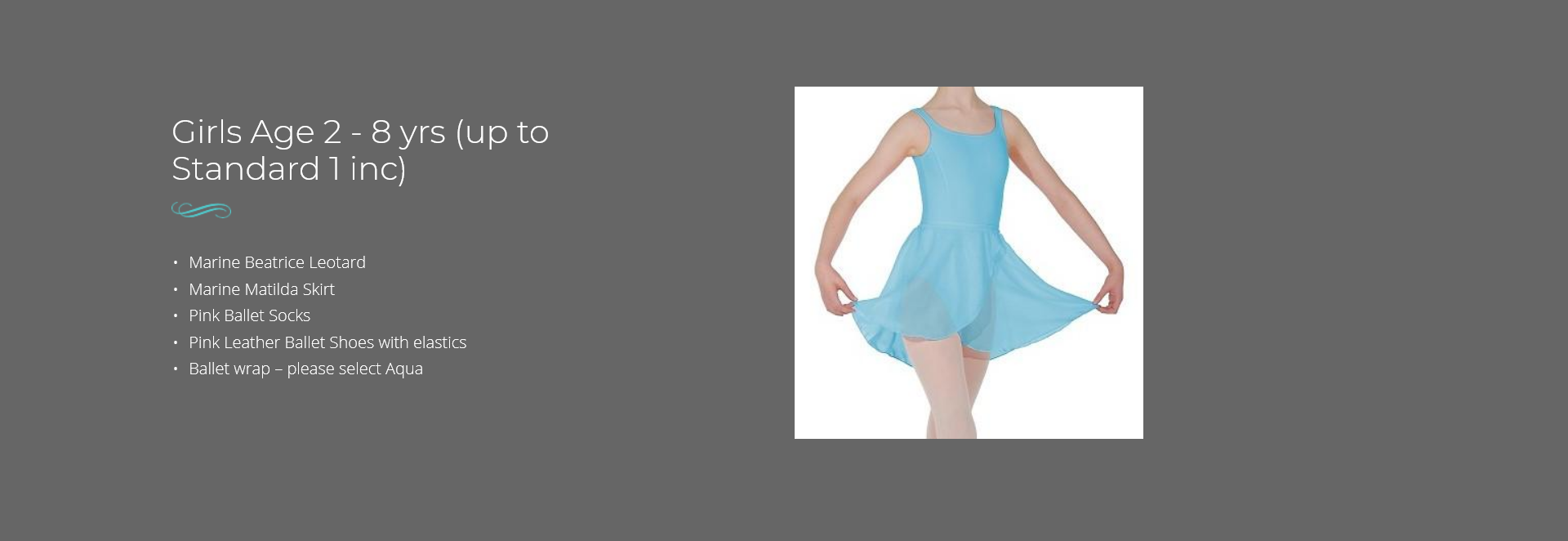
- Uniform: Beyond discipline and unity, the uniform allows teachers to clearly see a dancer’s posture, alignment, and muscle engagement. This is essential for providing accurate constructive correction, which is vital for a pupil’s exam preparation. The standard uniform—leotard, tights, and ballet shoes—is specifically designed to be non-restrictive, allowing for a full range of motion. For exams, the uniform becomes the costume, and a pupil’s understanding and appreciation for this presentation is noticed and reflected in the examiner’s overall assessment.
- Hair in a Bun: A secure bun is more than just a tradition; it is a safety requirement and a functional necessity. Loose hair can be a distraction for the dancer and can obstruct the teacher’s view of the neck and spine. It also prevents hair from getting in a dancer’s face during turns and jumps, which can affect balance and precision. The neat appearance of a bun also contributes to the overall disciplined aesthetic of the class.
- Jewellery: For safety reasons, no jewellery should be worn during ballet class. Items such as necklaces, bracelets, rings, and earrings can get caught on clothing or other dancers, causing injury. The consistent rule of no jewellery also helps eliminate distractions and reinforces the focus on movement and technique.
- Ballet Shoes: Proper ballet shoes with elastics sewn on, are essential for foot safety and technique. The shoes protect the dancer’s feet and provide the necessary grip for turns and jumps, ensuring a secure and controlled execution of movements.