
APR
2026
- Categories
- CWS DANCE NEWS
- Date
- 24, APR 2026
Ready for Your Licence to Dance? Our Ballet Barre Proficiency Challenge!
CWS DANCE NEWS
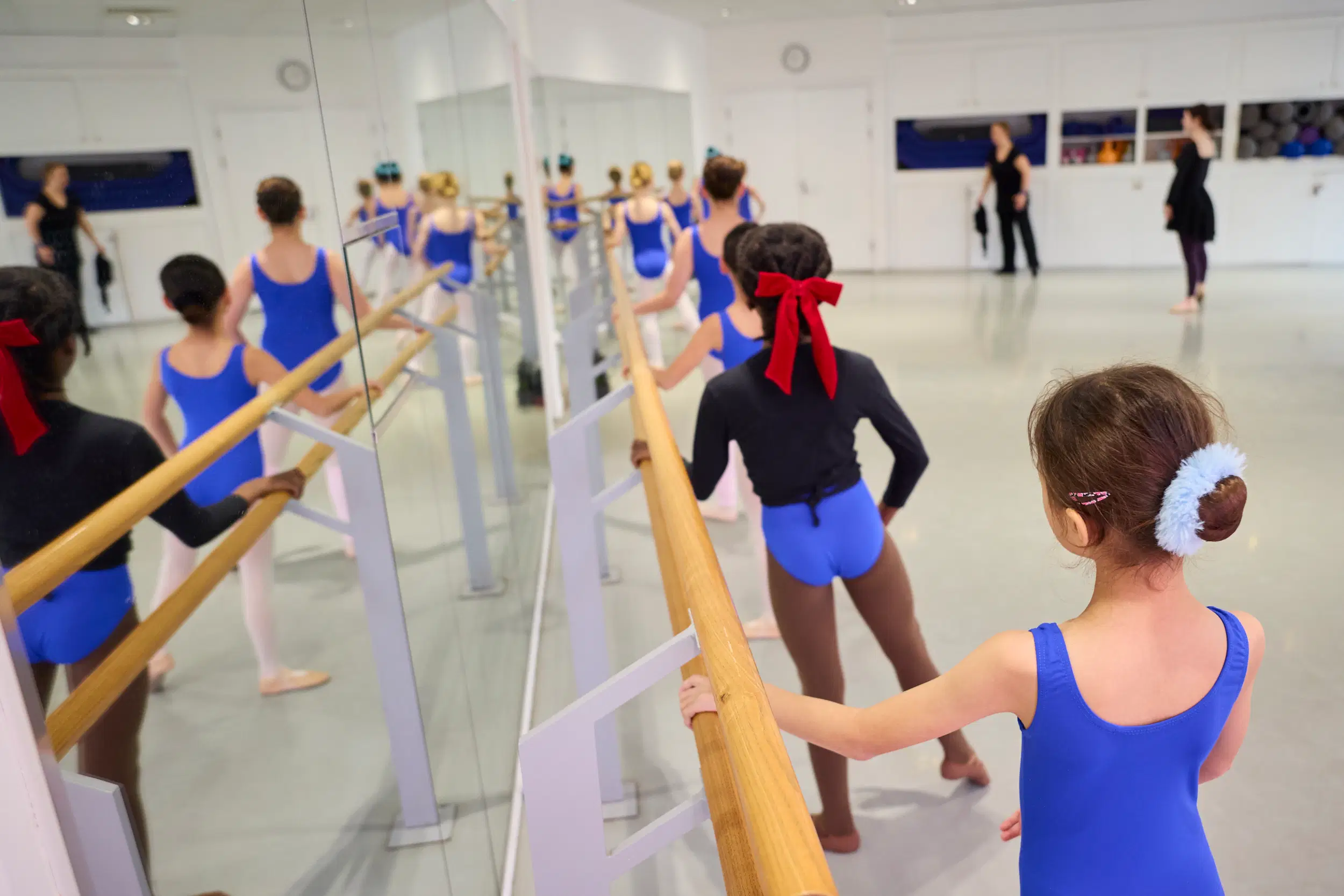
The Licence to Dance – Ballet Barre Proficiency Licence is a simple way for pupils and parents to understand the expectations that come with starting barre work.
For many children, moving from centre practice to the barre feels like an exciting step forward. This proficiency licence helps make that transition clear, safe, and well-structured. It gives pupils a chance to show that they understand how to use the barre properly, how to stand well, and how to work with good awareness of their own body and the people around them.
The focus is on learning, safety, and good habits from the very beginning. Below, we’ve outlined exactly what pupils are taught and what they need to demonstrate before receiving their licence.
Why Have a ‘Licence’?
The barre is much more than something to hold onto. It supports the development of balance, placement, coordination, and technique, so it’s important that children learn to use it correctly from the start.
The proficiency licence helps pupils understand that barre work comes with responsibilities as well as excitement. By earning their Licence to Dance, they are showing that they can approach this part of class safely, sensibly, and with growing independence. It also gives them a clear goal to work towards and a lovely way to recognise their progress.
The Safety Check: A Team Effort
Safety is a key part of the proficiency challenge. During the assessment, pupils are taught and asked to show that they understand:
- Moving Portable Barres: Portable barres are heavy and should always be moved carefully and as a team. Pupils learn where to place their hands, how to avoid trapped fingers, and how to move the barre with control.
- Awareness Around the Barre: Children are reminded to stay aware of where the barre is at all times, especially when moving around the studio or changing places.
- Spatial Awareness: Ensuring there is enough room between you and your neighbour to extend the leg fully (tendu/grand battement) without touching the person in front or behind.
- Safe Use of the Barre: The barre is for support during exercises, not for hanging, pulling, or swinging. This helps protect both the dancer and the equipment.
- General Responsibility: Pupils are encouraged to treat the barre respectfully and understand that safe habits help everyone in class.

Your Silent Dance Partner
One of the most important parts of barre work is learning how to use the hand correctly. We encourage pupils to think of the barre as a ‘dance partner’ for gentle support rather than something to grip tightly.
We don’t want to see any “motorbike” grips (white knuckles) where the hand clamps down and the dancer starts to lean. Instead, we practice:
- Gentle Hand Placement: The hand rests softly on the barre without gripping.
- Light Support: The barre is there to assist balance, not to carry body weight.
- Controlled Posture: Pupils aim to stay so well placed that they would still be balanced if the barre were no longer there.
Musicality and ‘The Finish’
- The Elegant Start: Showing a clear preparation of the arm and head before the music begins.
- The Still Finish: Learning to hold a beautiful, balanced position until the music stops.
Perfect Positioning: Finding Your Centre
Standing at the barre is all about alignment rather than leaning. During the proficiency challenge, pupils are guided through:
- Correct Distance from the Barre: Not too close and not too far away, so the arm can rest naturally and the body can stay lifted.
- Shoulder and Arm Placement: The supporting arm should sit comfortably in line with the shoulder rather than twisting forward or pulling back.
- Body Positioning: Pupils work on maintaining core strength, the ribs settled, and the hips as square as possible so that they can move with correct posture.

The ‘Working’ vs ‘Supporting’ Leg
A key part of the licence is understanding the difference between the working leg and the supporting leg.
Pupils are asked to demonstrate this clearly on both sides. The supporting leg is the leg that takes the weight and helps the dancer stay steady. The working leg is the leg that is free to move. This is an important piece of understanding, because good balance and clear technique depend on knowing where the weight should be placed.
Turning like a Ballerina: The Soutenu
Changing sides at the barre shouldn’t involve a clunky shuffle! We teach the children the beautiful soutenu 1/2 turn. By rising onto demi-pointe and gracefully pivoting towards the barre, they learn how to transition seamlessly from the left side to the right. It’s a small detail that makes a massive difference in how professional and confident they feel.

What is Barre Work For?
At its heart, the barre is a tool for preparation. It helps pupils build the strength, coordination, and muscle memory needed for work in the centre.
Barre work also helps children develop focus, discipline, and a clearer understanding of alignment. These foundations support safe progress as they continue their training.
The Professional Approach: Ballet Etiquette
Starting barre work usually coincides with a student taking their training more seriously. In the classes leading up to the assessment the teacher will be observing pupils’ understanding of Ballet Class etiquette. This includes:
- Presentation: Arriving in full uniform with hair neatly secured in a bun.
- Studio Conduct: Entering the classroom quietly, ready to begin, and offering a polite greeting to the teacher.
- Focus: Raising a hand to ask questions and remaining quiet and attentive while others are performing.
Teachers may have specific studio traditions, so we encourage pupils to take pride in following their teacher’s unique guidance on this.
How the Assessment Works
Pupils will learn all of the necessary skills with their teacher during regular classes, so nothing in the assessment should feel unfamiliar.
Once the teacher feels a pupil is ready, an assessment date will be scheduled. The assessment itself is a 10-minute informal and friendly interview with the Director of the school.
Candidates take part in small groups, with a minimum of 2 or 3 pupils at a time. This helps keep the experience relaxed and supportive while giving each child the chance to show what they have learned.
The Reward: Your Licence to Dance!
Once a pupil has demonstrated that they can move the barre safely, place the hand correctly, stand with good body alignment, and identify the working and supporting leg, they will receive their own ‘Licence to Dance Proficiency Licence’.
This reward recognises that they are ready to begin barre work with a clear understanding of the expectations. It’s a lovely way to mark progress and celebrate an important step in their dance education.

If you have any questions about the Ballet Barre Proficiency Challenge, please do ask a member of the team.
Happy Dancing,
The CWS Dance Team